


Capturing Cathedrals
Christopher FrostUNITED KINGDOM
Capturing Cathedrals
Cathedrals are majestic and highly photogenic buildings, offering opportunities for practicing photography from all different angles and with all different kinds of lenses. They are central places of Christian worship and can be found in most countries across the world, and the most ancient are found in countries across Europe. When you first walk through the door of a major Cathedral, it can be hard to know where to start with your camera: no one picture can capture the vastness, intricacy, and active life of such a place. But if you give yourself time, and use your imagination, then you can discover nooks and crannies which others might miss, and capture images which convey the atmosphere and examine the details that might be hidden away in plain sight.
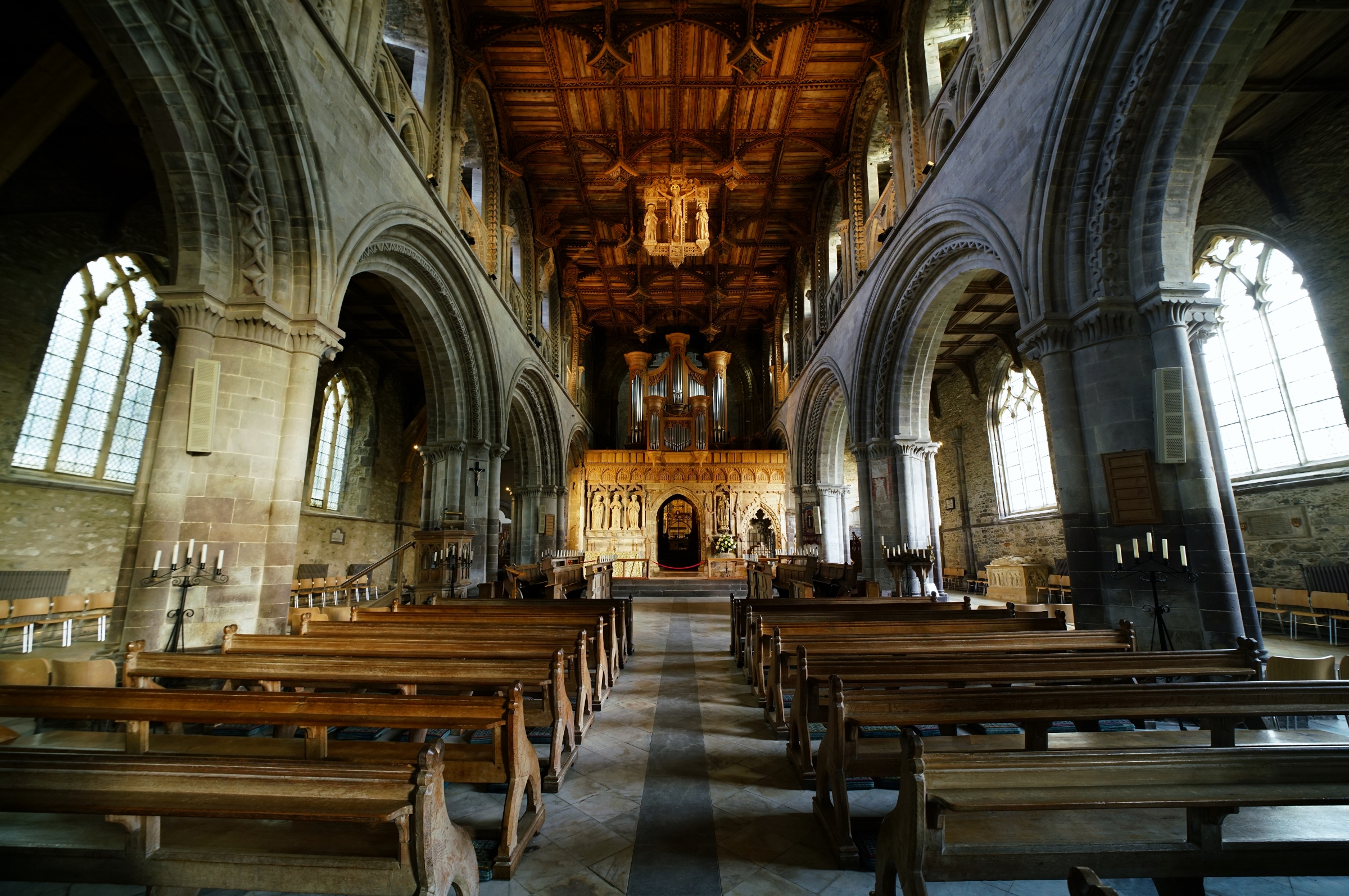
Samyang AF 14mm f/2.8 EF lens, f/5.6, 1/10 sec, ISO 800, Sony a7R II camera.
Cathedrals find themselves bathed in different colours and varied shadows and light in different areas of the building, which you can see in the above picture. By shooting with an ultra wide-angle lens you can capture this unique characteristic of them - their broader story - while also presenting the viewer with the smaller details. St David’s Cathedral, Wales, UK.
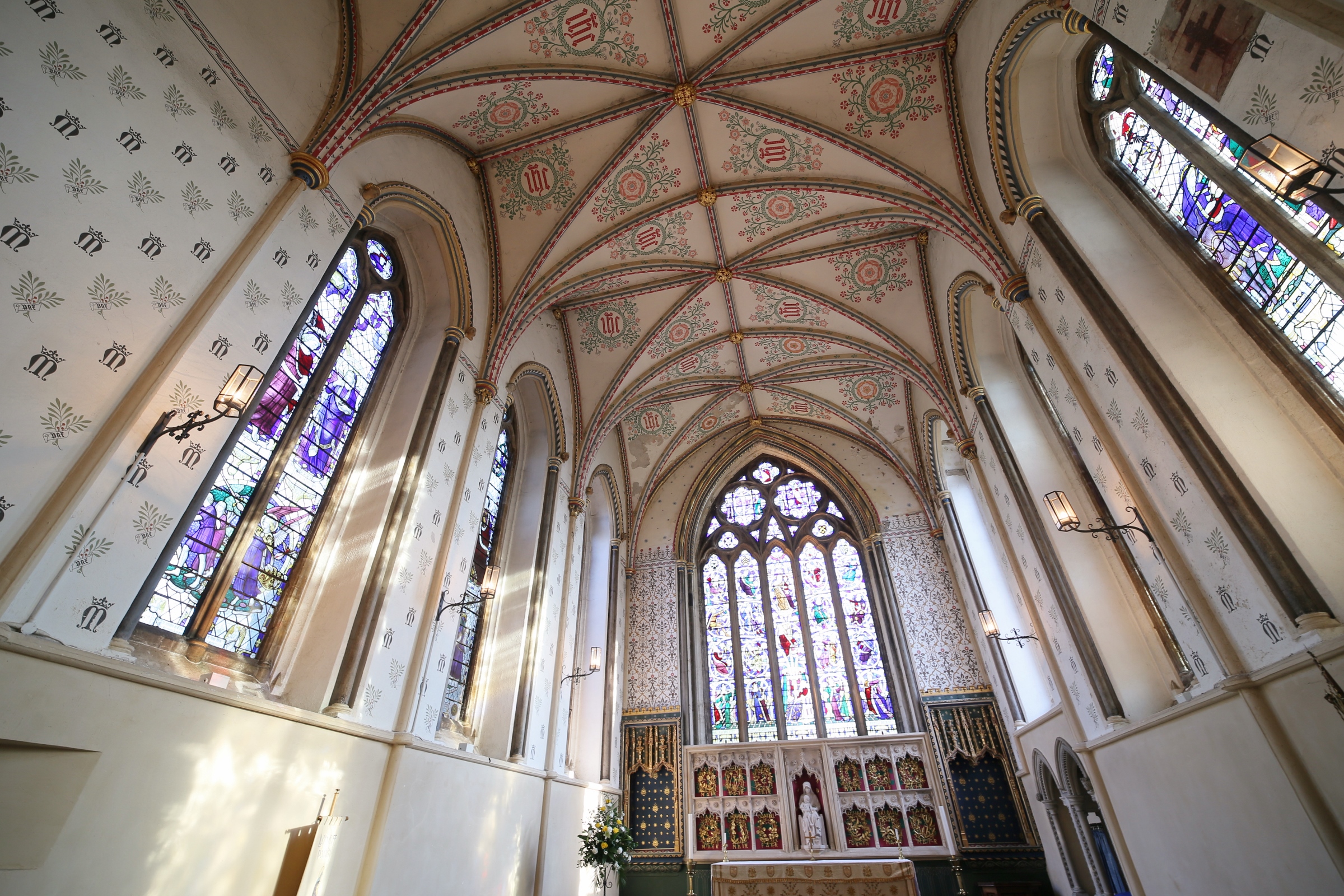
Samyang XP 14mm f/2.4 lens, f/4.5, 1/15 sec, ISO 400, Canon EOS 6D camera
An ultra-wide angle lens, shooting at a dramatic angle of view, will capture lines, perspectives, and light sources, all in one shot – no typical kit lens that comes with a camera will be able to take such a broad image as this. Different times of the day will bring different shadows and colours into the building, and if your camera has good dynamic range, then you can bring down the highlights in your picture to pull out details and colours in the stained-glass windows. Llandaff Cathedral, Wales, UK.
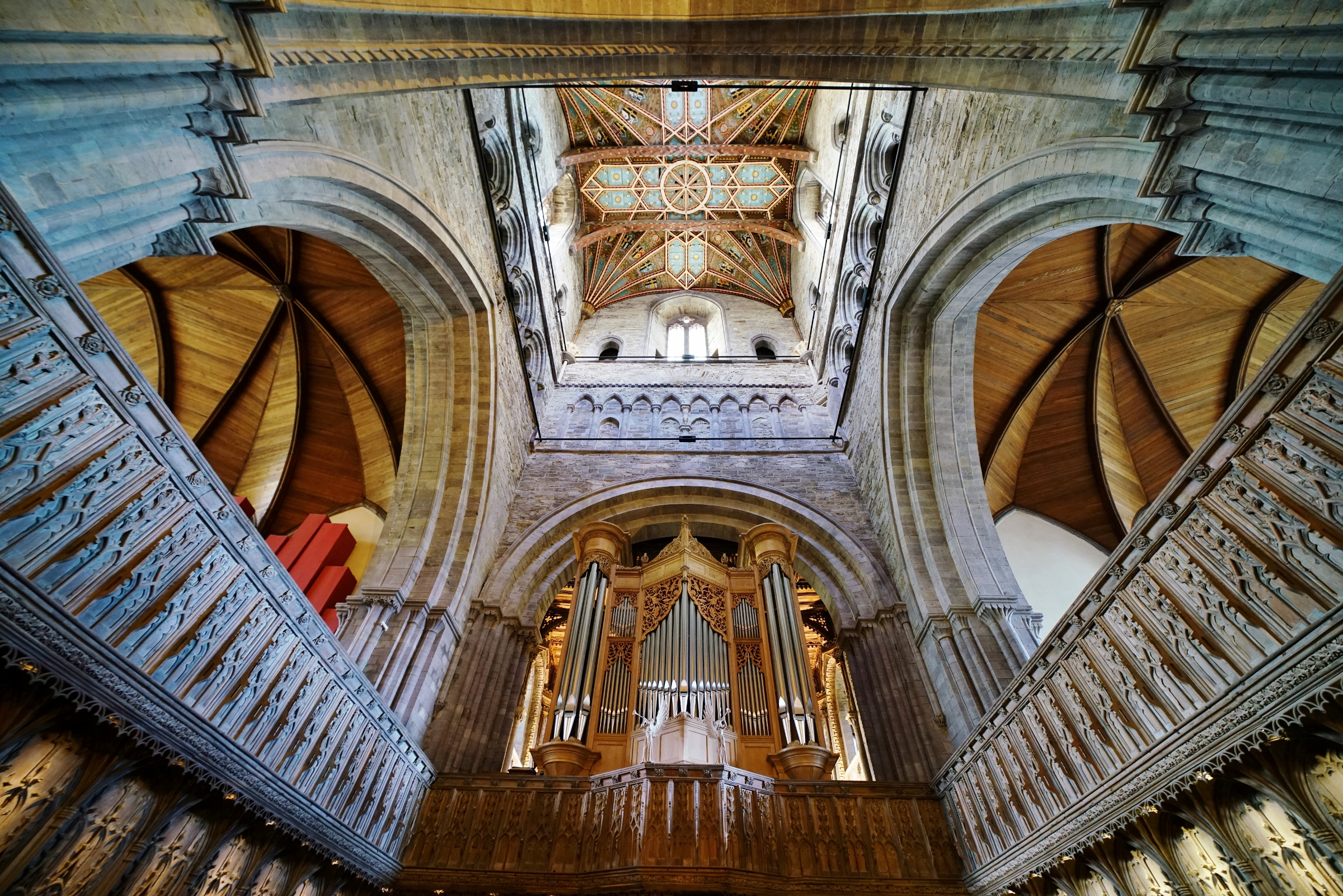
Samyang AF 14mm f/2.8 EF lens, f/4, 1/10 sec, ISO 1600, Sony a7R II camera.
Look up! Cathedrals have intricately-designed ceilings, even within the dizzying heights of their own towers. St David’s Cathedral, Wales, UK.
Cathedrals may be vast and impressive buildings, but they often have smaller areas and chapels which are a sanctuary for people who are coming to find a little space to be by themselves, to seek God. Sometimes ancient artefacts and memorials are kept in these smaller spaces of quiet – even in the hidden areas, there is plenty to see.
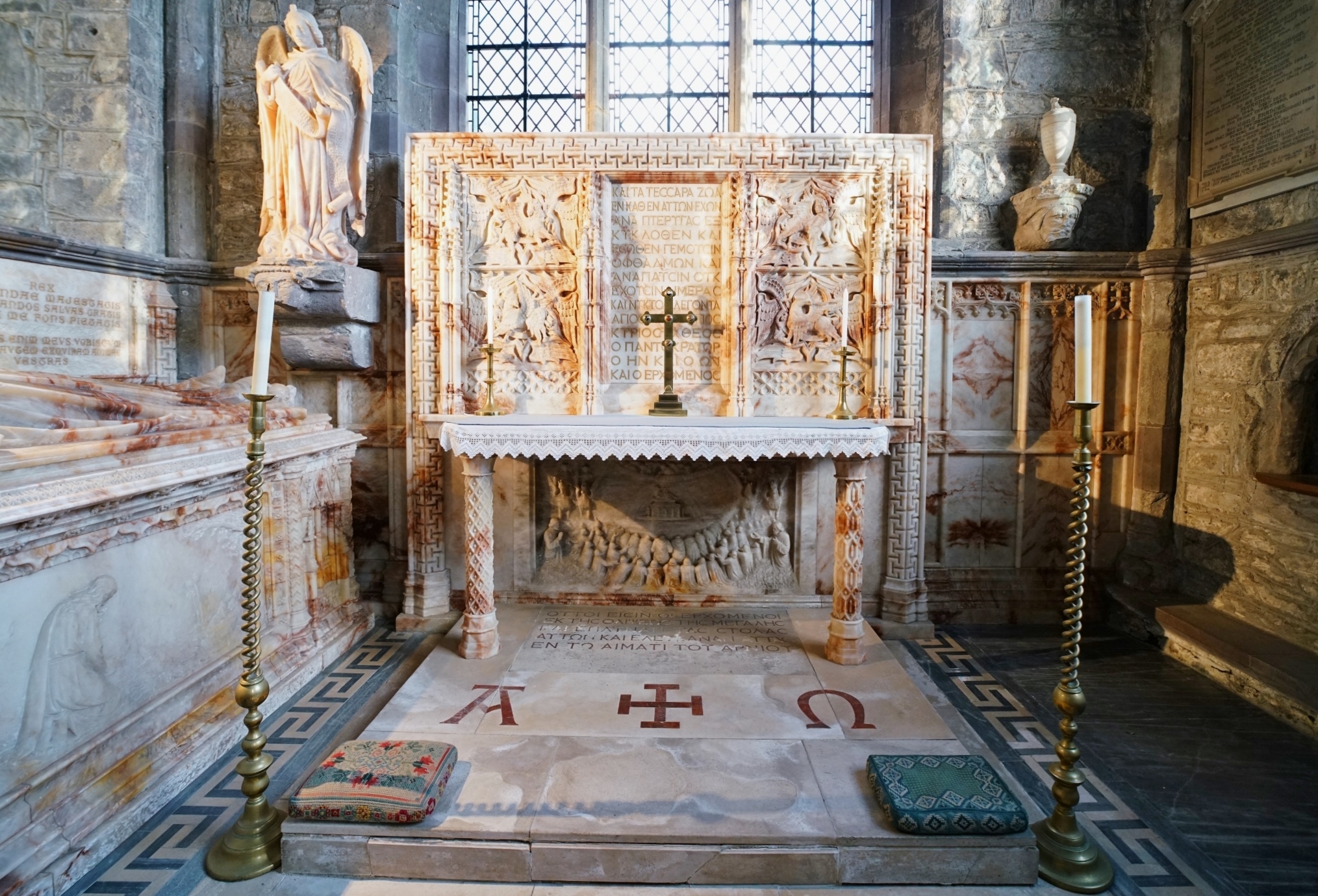
Samyang AF 14mm f/2.8 EF lens, f/5, 1/30 sec, ISO 1600, Sony a7R II camera.
A quiet, peaceful corner. A lot of medieval churches and Cathedrals have slightly lop-sided architecture in their oldest areas. This gives them character, but makes them tricky to photograph. St David’s Cathedral, Wales, UK.
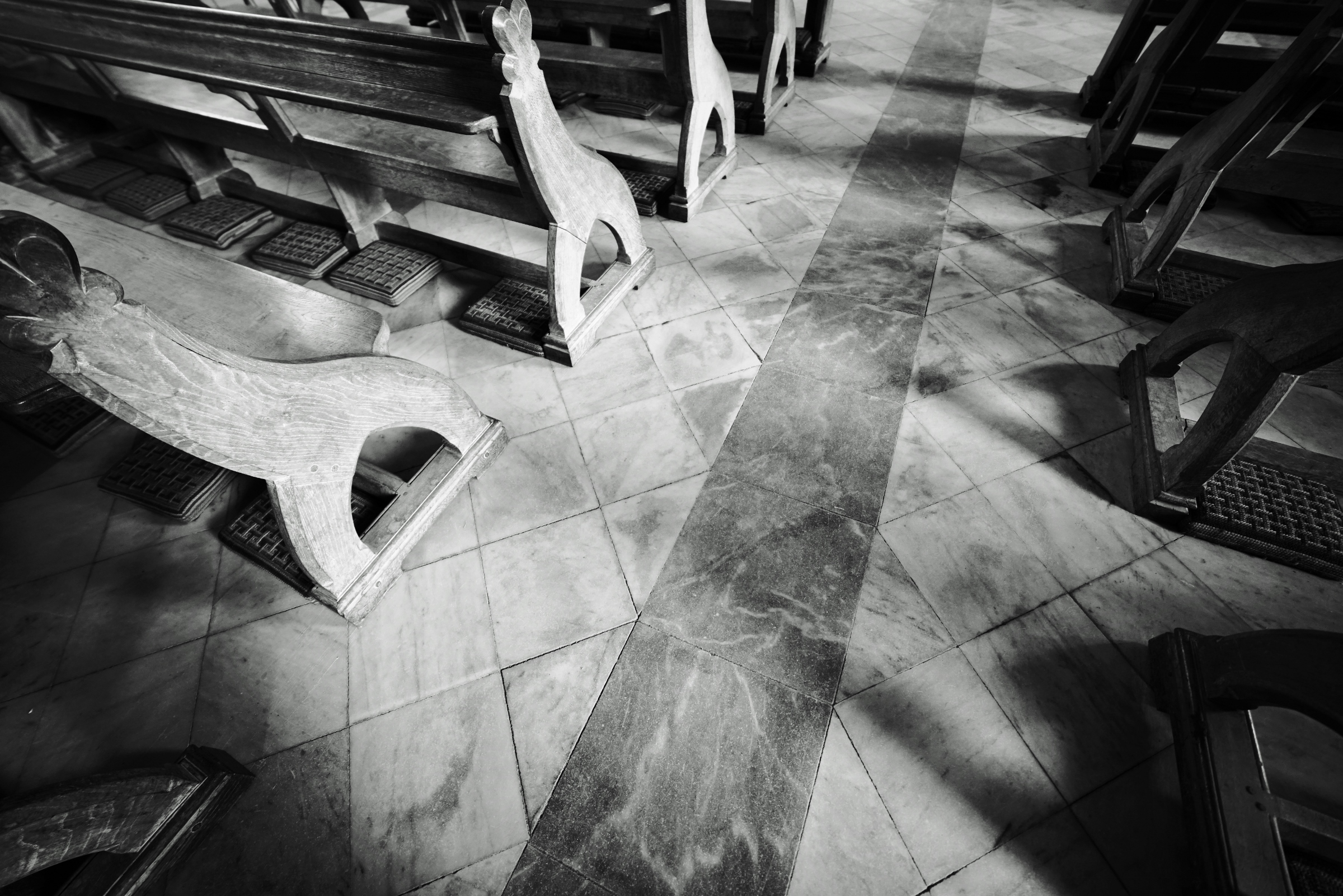
Samyang AF 14mm f/2.8 EF lens, f/2.8, 1/30 sec, ISO 800, Sony a7R II camera.
Even in the smaller spaces, light and shadows dance across the pews and the stone floor to draw out patterns which leap out in atmospheric black and white pictures. St David’s Cathedral, Wales, UK.
The bigger picture of a Cathedral is vast - but you can always zoom in to capture the many details that make up the buildings. There are statues, tiny details in stained-glass windows, symbols, metalwork, and special woodwork – each detailed object has its own story to tell. It’s not just ultra wide-angle lenses which thrive in a Cathedral setting – short and long telephoto lenses can be very effective at finding objects of interest.
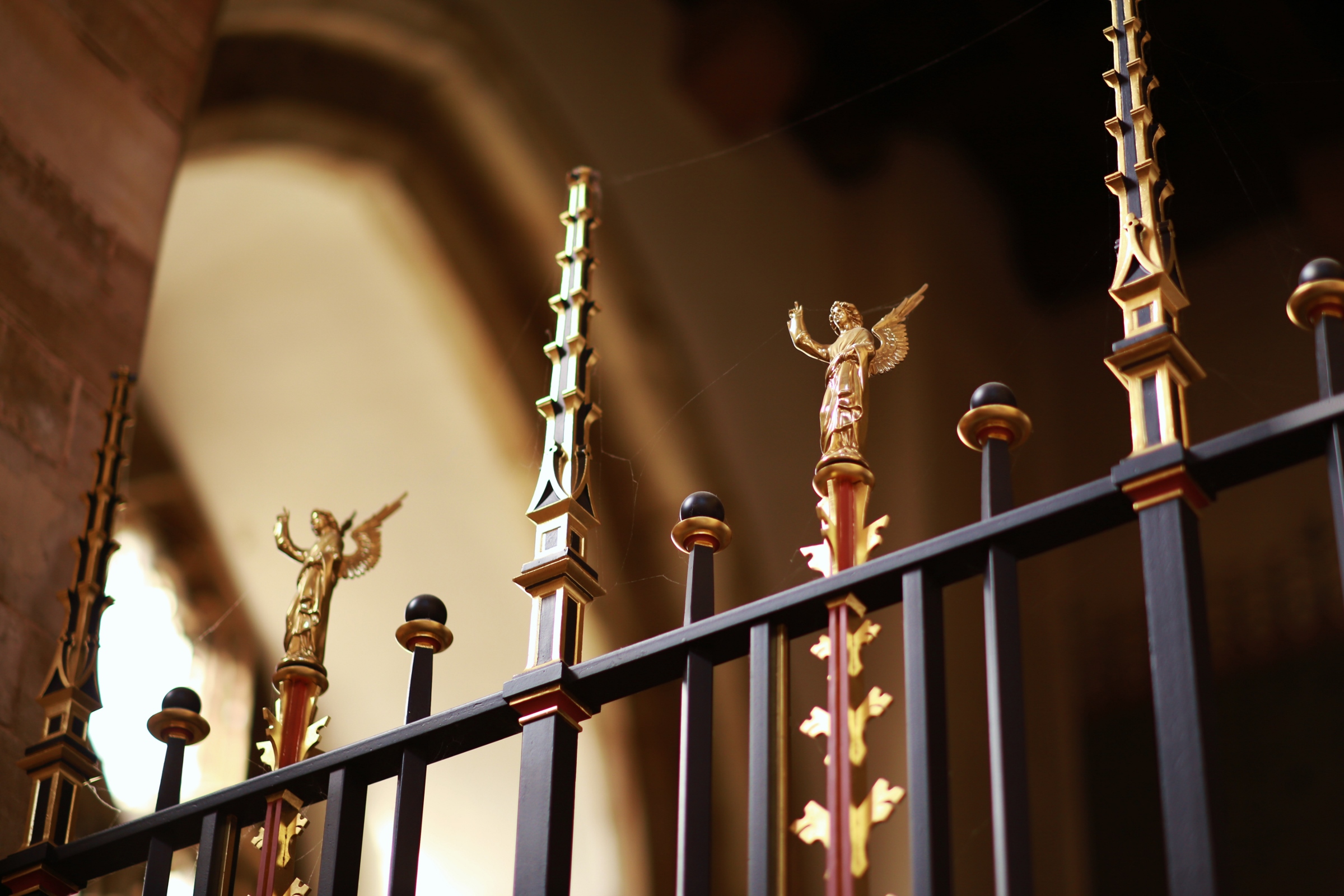
Samyang 85mm f/1.4 ED AS UMC lens, f/1.4, 1/80 sec, ISO 400. Canon EOS 6D camera.
The 85mm f/1.4 lens used here has isolated the beautiful details in these posts, giving plenty of background separation (and shooting at f/1.4 brings you enough light to get a sharp picture handheld - many Cathedrals do not allow photographers to use tripods, without special permission). Some parts of this Cathedral haven’t been dusted in a little while! The buildings are very costly to maintain. Llandaff Cathedral, Wales, UK.
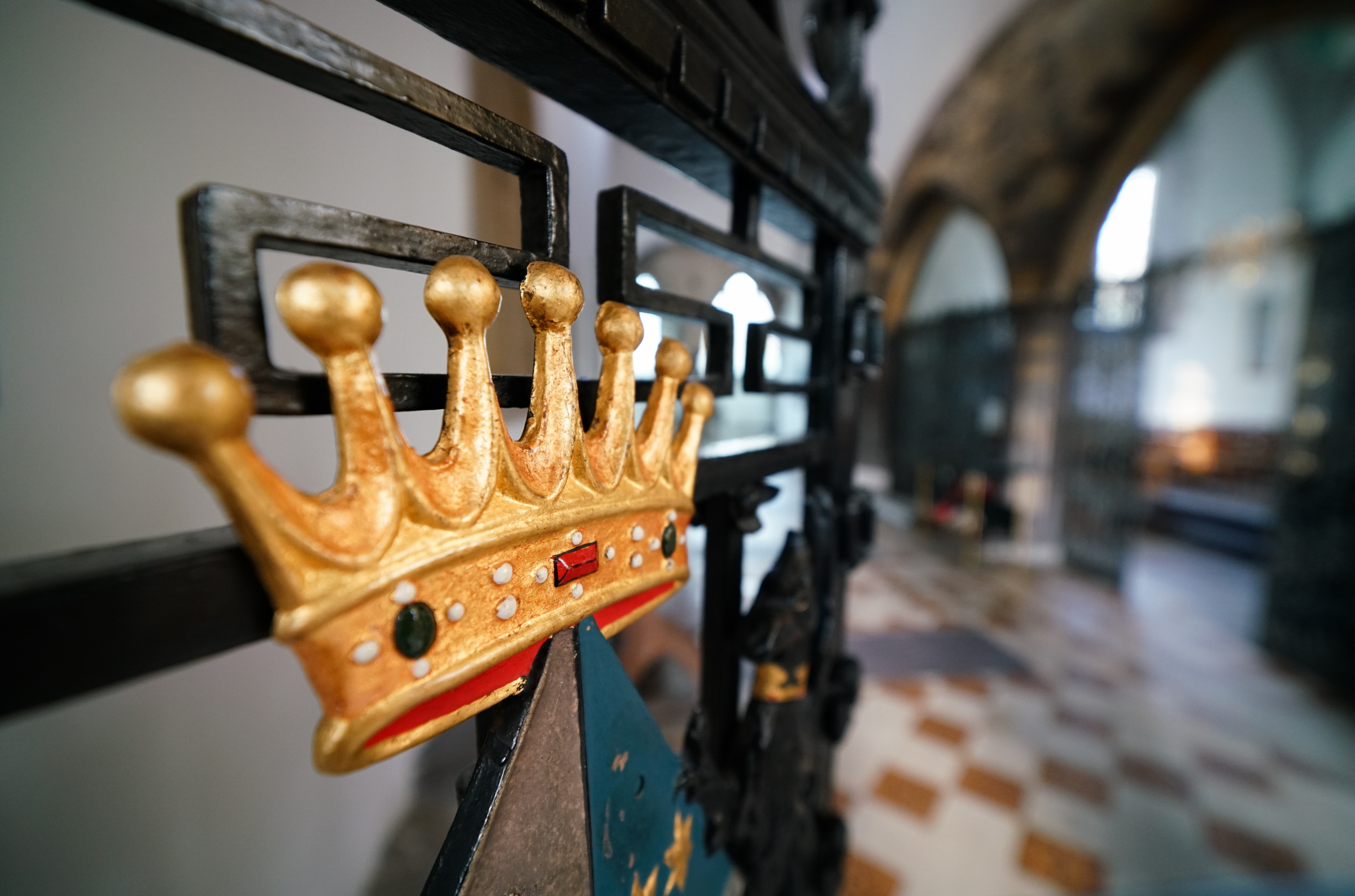
Samyang AF 14mm f/2.8 EF lens, f/3.5, 1/25 sec, ISO 1600, Sony a7R II camera.
…but if you own an ultra wide-angle lens with a close minimum focus distance, even they can capture smaller details, while still taking in the bigger picture. St David’s Cathedral, Wales, UK
Wander outside of the Cathedral building, and you will find plenty of arresting views, and parts of the building to see and pick out - especially if the weather is right. Different Cathedrals will offer different opportunities here. Again, an ultra wide-angle lens or a tilt/shift lens will be most helpful for you in shooting any large building. A wide-angle lens will be especially helpful if there are a large number of tourists in the area: you’ll be able to get close enough to the building to avoid capturing them in your shot, while still fitting in the whole building. But you can also use a telephoto lens to capture more details on the outside of the building itself.
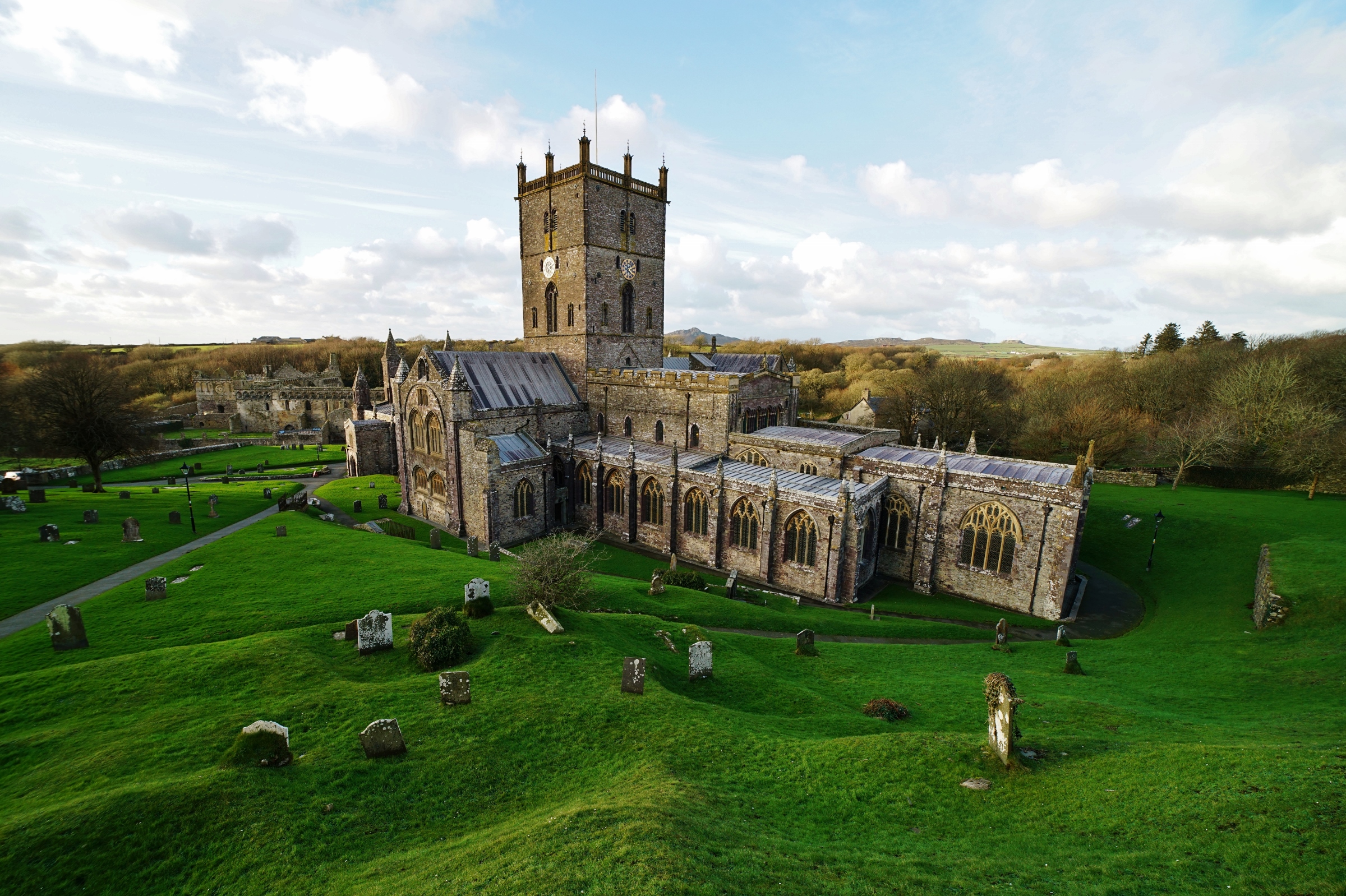
Samyang AF 14mm f/2.8 EF lens, f/7.1, 1/250 sec, ISO 500, Sony a7R II camera.
St David’s Cathedral in Wales, UK, is a huge centre of worship however, it’s overlooked by a fortified hill, which offers a unique opportunity to get a picture of the whole Cathedral while also capturing the surrounding countryside. Again, an ultra wide-angle lens was needed to get this picture – it was not possible to stand any further back from the Cathedral building.
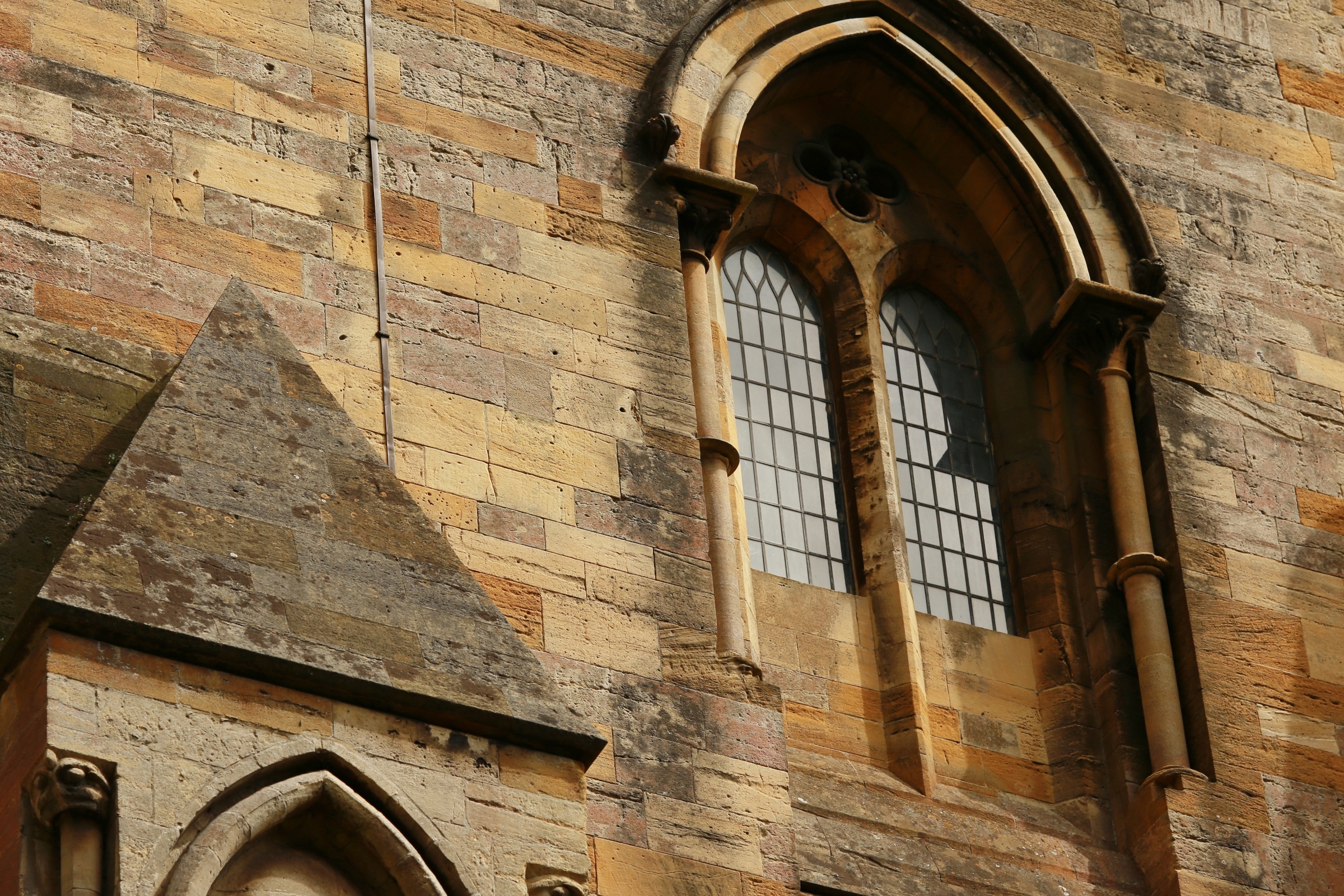
Samyang 135mm f/2 lens, f/8, 1/800 sec, ISO 100, Canon EOS 6D camera.
Cathedrals have surprisingly detailed architecture to discover when you zoom in closely to take a look. Llandaff Cathedral, Wales, UK.
Cathedrals continue to be awake and alive at night-time, particularly when a service is taking place. After visiting a service, spend some time outside while the lights are still on, to see lights and colours dramatically shining through the windows into the night sky – with more photographic opportunities.
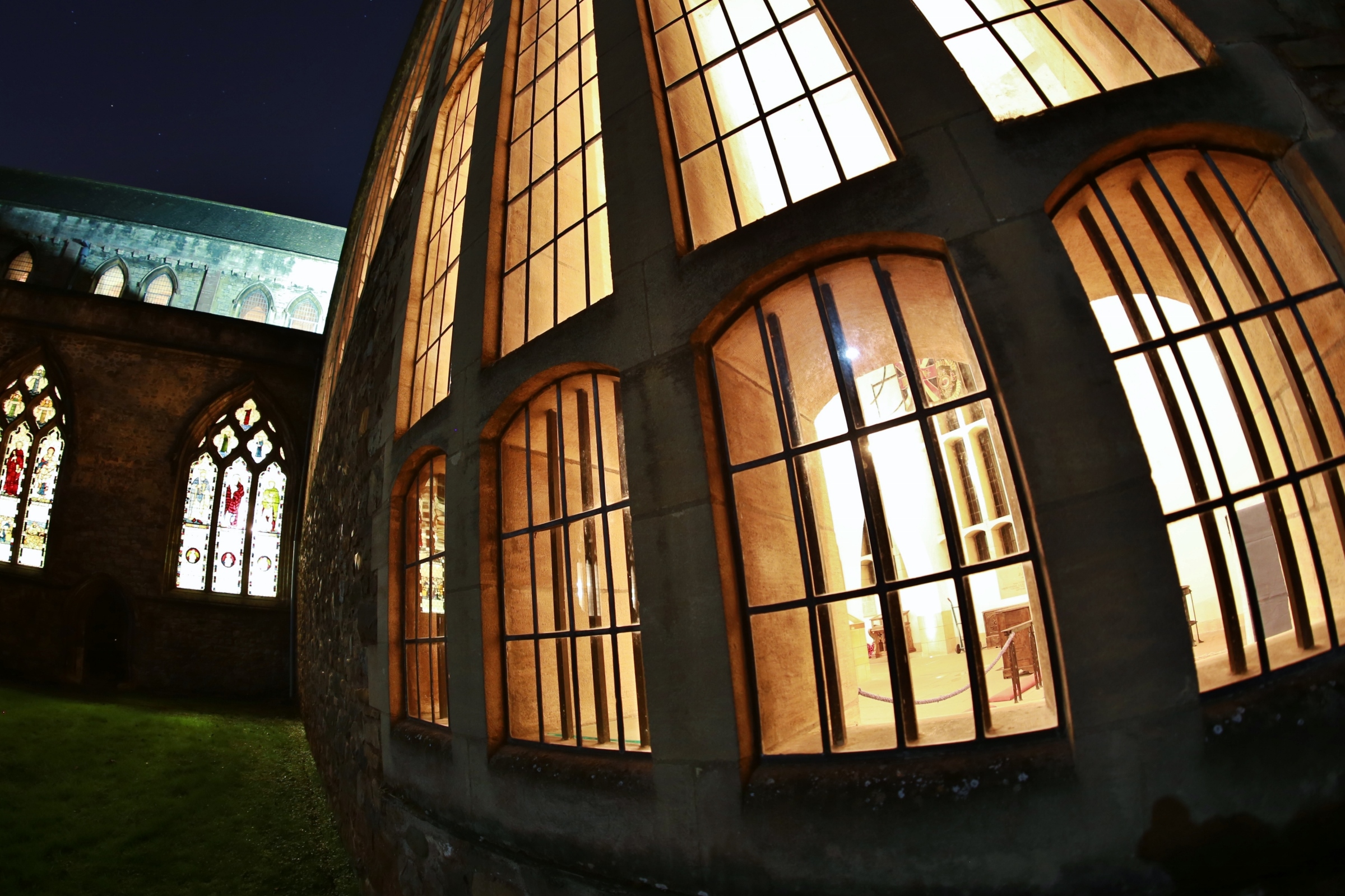
Samyang 12mm f/2.8 ED AS NCS Fisheye lens, f/5.6, 2.5 secs, IS 800, Canon EOS 6D camera
Light pours out of a side chapel at night. The distortion of this fisheye lens lends a strongly dramatic touch to the unique architecture. Llandaff Cathedral, Wales, UK.
Related Lenses
- Previous PostHidden Beauty of the Night article for Samyang
- Next PostThere is no next post.